

The Rise of Electric Cars: Trends, Benefits, and What to Expect in 2026
The automotive world in 2026 continues to shift rapidly toward electrification. Electric vehicles (EVs) are no longer a niche product - they have entered the mainstream. According to the International Energy Agency, global EV sales surpassed 14 million units in 2025, representing nearly 25% of all new car sales worldwide. This momentum is fueled by advances in battery technology, broader charging networks, and stronger government incentives promoting sustainability. In the U.S., EV adoption keeps accelerating, with Tesla, Rivian, Ford, and Hyundai leading innovation and affordability.
Environmental and Economic Benefits of EVs
The biggest benefit of EVs remains their environmental impact. Unlike gasoline cars, electric vehicles produce zero tailpipe emissions, helping reduce carbon footprints and urban air pollution. The U.S. Environmental Protection Agency (EPA) now estimates that an average EV prevents over 5,000 pounds of CO₂ emissions each year compared to a similar gas-powered vehicle.
From an economic perspective, EVs have become more competitive than ever. The upfront cost gap between electric and combustion vehicles continues to shrink thanks to federal and state incentives. The updated U.S. federal tax credit for 2026 still offers up to $7,500 for qualifying EVs, and some states now add extra rebates or charging infrastructure grants. Moreover, maintenance costs remain lower - no oil changes, fewer moving parts, and longer-lasting braking systems.
Technological Innovations Driving the EV Market
The 2026 EV landscape is defined by breakthroughs in battery and charging technology. Solid-state batteries, now in early production by Toyota and QuantumScape, are expected to double energy density and cut charging times to under 15 minutes. Tesla’s 4680 cells are also widely adopted, boosting efficiency and lowering production costs. Wireless charging and bi-directional “vehicle-to-grid” (V2G) technology are increasingly available, allowing EVs to power homes or feed energy back to the grid.
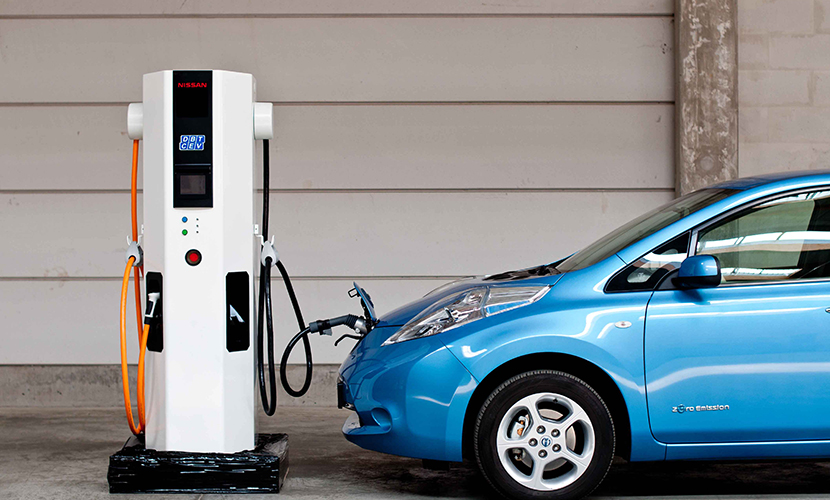
Charging infrastructure has expanded dramatically. By early 2026, the U.S. boasts over 175,000 public charging stations - a 35% increase from 2024. Networks like Tesla Supercharger (now open to all brands), Electrify America, and ChargePoint continue to eliminate range anxiety and enable true coast-to-coast EV travel.
Consumer Trends and Market Outlook
Consumers are embracing EVs for their performance, low running costs, and advanced technology. Recent surveys show that more than 75% of new car buyers in the U.S. are considering an electric or hybrid option. Automakers are responding with diverse lineups - from affordable models like the Chevrolet Equinox EV and Hyundai Ioniq 6 to luxury entries such as the BMW i5 and Mercedes EQS. Subscription and battery-leasing programs are also gaining traction, lowering entry barriers for first-time EV owners.
Looking forward, analysts project that by 2030, EVs could make up over half of global new car sales. With corporate fleets going electric, automakers investing billions in green manufacturing, and renewable energy integration improving, 2026 is shaping up as a pivotal year in the global transition to sustainable mobility.
Tips for Prospective EV Buyers in 2026
If you’re planning to switch to an electric car this year, consider these key points before you buy:
- Evaluate your daily driving distance and ensure your preferred EV’s range fits your lifestyle.
- Check eligibility for federal and state incentives to reduce upfront cost.
- Install or plan for convenient home charging - preferably with a Level 2 charger.
- Compare total ownership costs, including energy rates, maintenance, and resale value.
- Explore V2G-capable models to maximize savings through smart energy management.
With thoughtful planning, EV buyers in 2026 can enjoy cleaner transportation, lower long-term costs, and a direct role in shaping a sustainable automotive future.