

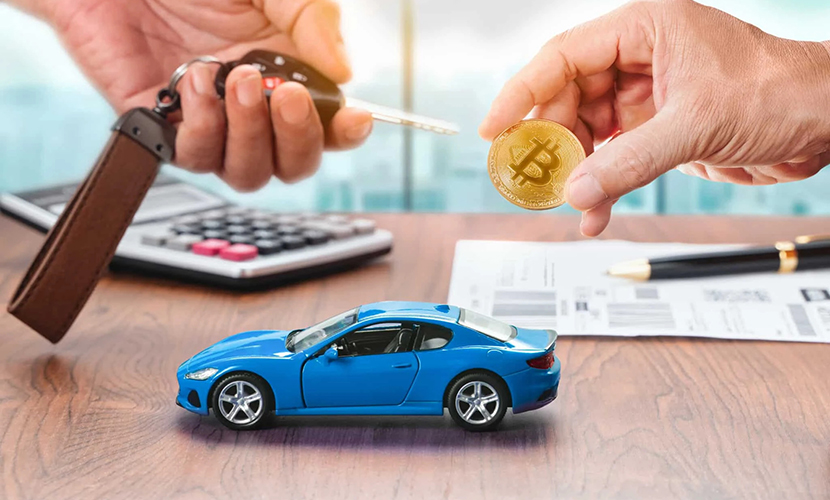
How Cryptocurrency Is Changing the Car Buying Experience
Just a few years ago, buying a car with Bitcoin or Ethereum sounded like science fiction. Today, it’s becoming a real option at many dealerships across the U.S. The rise of cryptocurrency in car sales is changing how people think about ownership, payments, and even value. As digital currencies become more widely accepted, the automotive market is experiencing a quiet revolution that blends innovation, technology, and financial freedom.
A New Era of Car Payments
Cryptocurrency payments have moved far beyond online shopping. Dealerships from California to Florida are now allowing customers to purchase vehicles using Bitcoin, Ethereum, and even stablecoins like USDC or Tether. For many, this represents the next logical step in a world where digital transactions are replacing cash and credit cards.
Car buyers love the idea of completing a purchase without bank delays or foreign exchange fees. Crypto transactions happen almost instantly, and the fees are often lower than those charged by credit card processors. This makes buying a car with crypto not only faster but potentially more affordable.
Why Dealers Are Embracing Crypto
From a dealer’s perspective, accepting cryptocurrency opens new doors. It attracts tech-savvy customers, signals innovation, and helps businesses stand out in a competitive market. Some luxury car dealerships have already made headlines by accepting full payments in Bitcoin, offering a futuristic alternative to traditional financing.
Even mainstream used car lots are experimenting with crypto. Instead of relying on banks or long credit checks, they can finalize transactions directly between buyer and seller. This creates a smoother process for both sides-especially for international buyers who might face currency conversion issues.
Benefits for Car Buyers
The benefits of using cryptocurrency to buy a car go far beyond convenience. Crypto allows for borderless ownership, meaning a buyer in one country can easily purchase a vehicle from another without worrying about conversion rates or wire transfer delays.
Another big advantage is transparency. Blockchain technology provides an immutable record of transactions, ensuring that payments are secure and verifiable. For car sales-an industry that often struggles with trust and fraud prevention-this level of transparency is a game changer.
Crypto users also appreciate the flexibility it offers. With the growing number of peer-to-peer marketplaces, car purchases no longer depend on traditional institutions. Buyers can choose to pay in full or use decentralized finance (DeFi) tools to manage payments creatively.
Challenges and Limitations
Of course, the new system isn’t without obstacles. Cryptocurrency’s price volatility can make it tricky to determine fair vehicle prices. A Bitcoin transaction that looks favorable one day could be significantly different the next. Dealers and buyers must stay aware of rapid market changes to avoid losses.
There are also regulatory and tax considerations. In the U.S., the IRS treats cryptocurrency as property, meaning any transaction that involves selling or spending crypto can trigger a taxable event. Buyers need to account for potential capital gains taxes when using crypto for large purchases like vehicles.
Additionally, not every dealership is ready to handle crypto transactions securely. Some businesses still rely on third-party payment processors, which can reduce the efficiency and privacy benefits of direct blockchain payments.
Crypto Financing and NFTs: The Next Step
As the crypto ecosystem matures, it’s beginning to influence financing and ownership models as well. Blockchain platforms now allow for crypto-backed car loans, where digital assets serve as collateral. This lets buyers hold onto their crypto investments while still accessing liquidity for major purchases.
Another innovation gaining traction is the use of non-fungible tokens (NFTs) to record vehicle ownership. An NFT can contain detailed information about a car’s history, including maintenance records, mileage, and even past ownership-all stored securely on the blockchain. This could eliminate issues like title fraud and make ownership transfers instant and verifiable.
Used Cars and Global Buyers
Interestingly, the used car market stands to gain the most from cryptocurrency adoption. Many international buyers already use digital currencies to pay for U.S. vehicles shipped overseas. The speed, simplicity, and traceability of crypto transactions make it ideal for cross-border deals.
Platforms are emerging that specialize in crypto-based vehicle listings, connecting sellers and buyers globally without the need for traditional banks. As blockchain technology improves, these systems may soon offer built-in escrow features to protect both sides during transactions.
Mainstream Adoption on the Horizon
As automakers and large dealership networks become more comfortable with digital payments, cryptocurrency could move from novelty to norm. Tesla famously made waves when it briefly accepted Bitcoin for car sales-and even though it paused the practice, the idea left a lasting impression on the industry.
Major automotive brands are also exploring blockchain to track parts, verify supply chains, and enhance vehicle security. These developments make it clear that cryptocurrency and blockchain will continue to play a growing role in how we buy, sell, and even maintain cars.
Looking Ahead: The Future of Car Buying
In the near future, we may see hybrid systems that allow buyers to split payments-part cash, part crypto-or integrate blockchain-based smart contracts that automatically transfer ownership once funds are received. This could eliminate the need for paperwork, banks, and long waiting times altogether.
For forward-thinking car buyers, the rise of cryptocurrency represents more than just a new payment method. It’s a glimpse into a future where mobility, technology, and finance intersect seamlessly. Whether it’s a used car purchase in Florida or a high-end electric vehicle in California, crypto is paving the way for a faster, smarter, and more transparent buying experience.
Ultimately, cryptocurrency is not replacing traditional currency-it’s expanding what’s possible. For the automotive world, that means more choice, greater flexibility, and a deeper connection between innovation and everyday life. The road to the future might just be built on the blockchain.